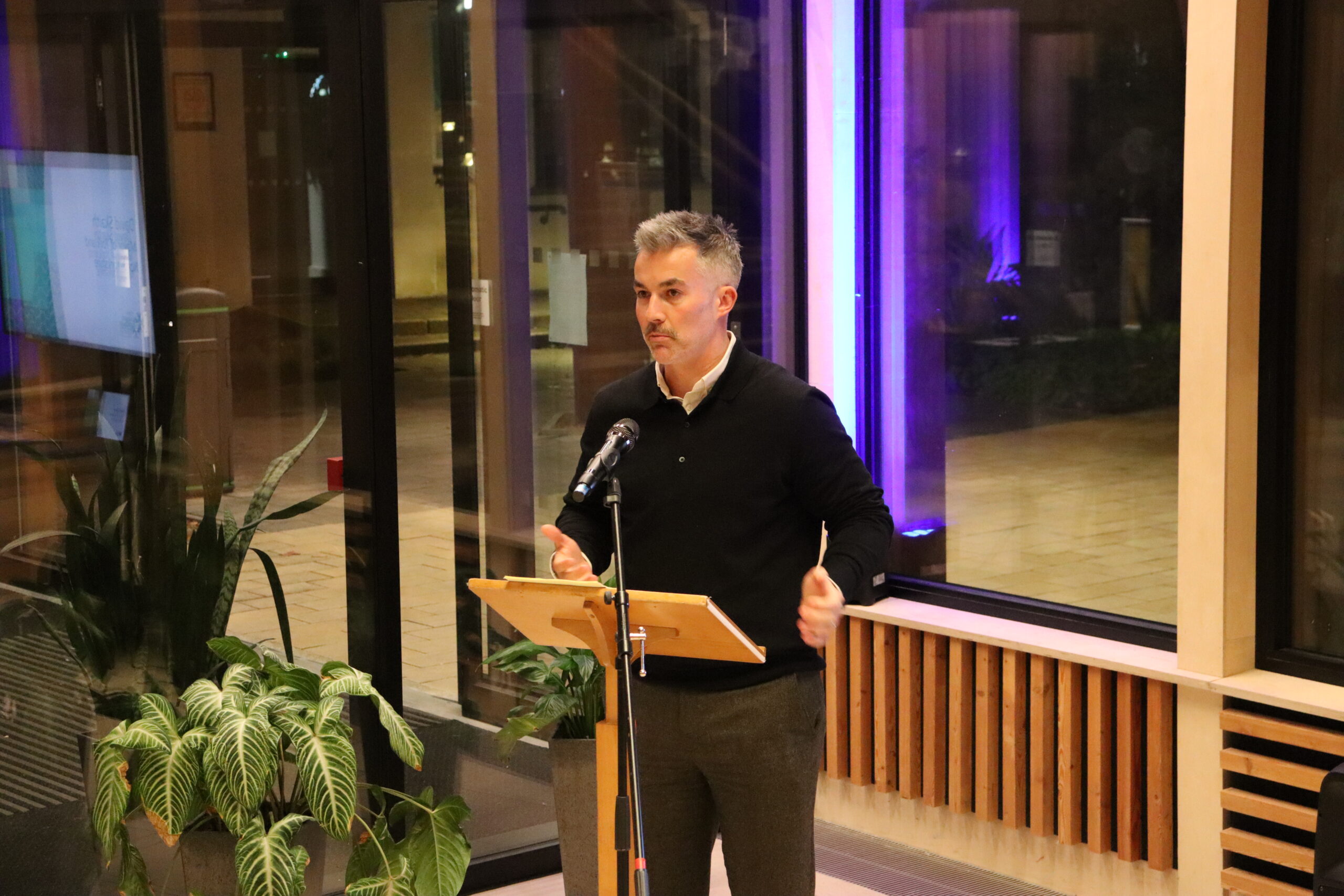
David Skaith, Mayor of York and North Yorkshire, speaking at the launch of the Policy Lab at York St John University.
Yesterday, as part of the Budget, the Chancellor announced a new power for regional Mayors to introduce an overnight visitor levy (OVL). I have consistently called for this since taking office, so I welcome this news.
York and North Yorkshire is beautiful, and that’s why we attract over 40 million visitors a year. I started my career in hospitality, having worked in hotels and restaurants across the region, before going onto to open a shop in York. My career has been dependent on a thriving visitor economy and hospitality sector.
I was born here, I am raising my family here, I am proud to call it home and even prouder to represent it as Mayor. I love York and North Yorkshire, and I would never support anything that I thought would harm the people or businesses in our community.
I know many of you are concerned, and I appreciate that. The sector has been under sustained pressure for a prolonged period. I firmly believe that the potential significant income from an overnight visitor levy will be fundamentally game changing for our region.
At its heart, any revenue must support growth in the visitor economy, helping to attract visitors where they are needed, to better manage areas where there are high visitor numbers, and to drive forward the destination management plans that are in place in York and North Yorkshire.
The work on making sure this is right for our region begins now. The process to introduce a levy will be open, transparent and involve significant consultation and engagement. That is my personal commitment. The Government have launched a 12-week consultation, this will inform how the primary legislation is shaped, I would therefore ask you to submit a response to this. Our Policy Lab with York St John University is undertaking a detailed analysis of an overnight visitor levy. That work has collaboration at its heart. With more engagement it will be even more valuable.
I am keen to hear your views directly, and will be working with Make it York, Visit North Yorkshire, hospitality associations, BIDs, chambers of commerce, and other interested groups across the region to discuss this with you in more detail and explore how we can make sure that whatever scheme we adopt works for our region.
I look forward to speaking to you soon.
David Skaith, Mayor of York and North Yorkshire
Overnight Visitor Levy – Frequently Asked Questions (FAQ)
The York and North Yorkshire Policy Lab, in collaboration with York St John University, have produced the frequently asked questions below.
- A fixed fee per person, per night (for example, £2 per guest per night), or
- A percentage of the accommodation cost (for example, 5% of the room rate).
- Upgrading infrastructure and transport
- Maintaining tourist attractions and public areas
- Supporting cultural festivals and events
- Protecting the environment
- Managing overcrowding from tourism
For example, if the levy is £3 per person per night and your stay is 4 nights, the total levy would be £12.
- Scotland: The Visitor Levy (Scotland) Act (2024) gives local councils the power to introduce a levy
- Wales: Legislation was passed in 2025 to allow a visitor levy.
-
England: There is no universal visitor levy power for councils yet, but some cities (e.g., Manchester and Liverpool) use a workaround via Accommodation Business Improvement Districts (BIDs).
- Edinburgh, Scotland: 5% surcharge on overnight stays.
- Glasgow: A 5% levy is planned for 2027.
- Liverpool (England): About £2 per night is added for overnight stays in “Accommodation BID” hotels.
-
Wales (proposed): ~£1.30 per person, per night for many accommodation types and 75p for campsites/hostels.
- Maintaining and improving local tourist infrastructure and attractions
- Public services (e.g., parks, transport) that are under pressure from tourism
- Local tourism development (marketing, events)
Potentially yes — these schemes allow for accommodation types like hotels, campsites, hostels, B&Bs, and holiday lets. But it depends on the council; some may choose to apply the levy to certain types only.
Yes, that’s possible. For example, different policies could allow exemptions or discounts for particular groups like children, or long-term stays. The details will depend on each local authority’s rules.
They used a Business Improvement District (BID) model — specifically an Accommodation BID. The charge is technically a BID levy, not a formal “tourist tax,” but it functions like one.
Yes. The UK government is giving more powers to mayors and local authorities to introduce levies, and several councils in Scotland and Wales are planning or considering them.
Accommodation providers should clearly state any additional levy or surcharge on your booking confirmation or invoice, especially when the levy is mandatory in that area.