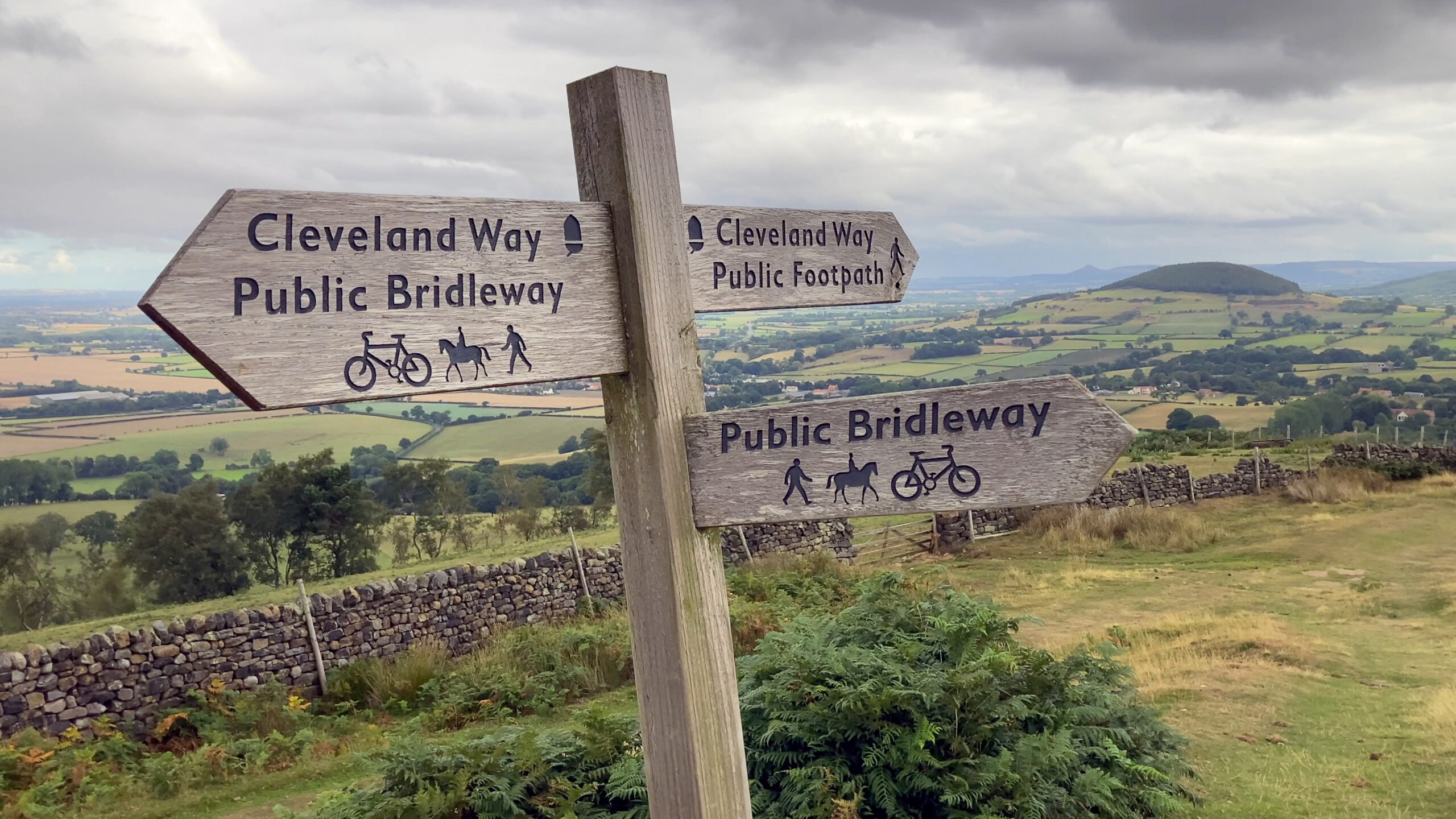
- Active Travel England (ATE) has published its Rural Design Guide, helping councils and scheme designers to create better walking, wheeling and cycling routes in rural areas across England
- First-of-its-kind guide will help create safer, cheaper and healthier travel options for rural communities, opening up opportunities to education and employment
- Almost two thirds of all road deaths in Great Britain occur on rural roads, despite carrying less traffic than urban areas*
Active Travel England (ATE) has today published its Rural Design Guide, providing local authorities with practical advice to plan and deliver safe, accessible and attractive walking, wheeling and cycling routes.
Rural communities often face fewer transport options and longer distances to services, making it vital that walking, wheeling and cycling routes are safe, direct and well connected.
Minister for Local Transport Lilian Greenwood announced the guidance’s publication during her keynote speech at the Active County Conference in Cambridge today (14 July 2026).
While local authorities are not legally required to follow this guide, it contains clear technical advice and examples, to help them provide high-quality active travel routes tailored to the unique requirements of villages, small market towns, and the countryside.
National Active Travel Commissioner Chris Boardman said:
"Many towns and cities are well on the way to creating safe and attractive active travel options, but our mission extends beyond major conurbations. Everyone in England deserves safe, cheap, healthy travel choices.
"With the publication of this Rural Design Guide, we're supporting authorities to develop infrastructure that works best for local people. Our aim is to help councils build safe and appealing routes that not only enable more everyday active journeys but also help them make the most of our wonderful countryside."
Local Transport Minister Lilian Greenwood said:
“We know it’s absolutely vital to give people in rural areas as many options as possible for travelling, which is why I was delighted to announce this new guidance at the Active County Conference earlier today.
“By giving local authorities straightforward advice to deliver walking and cycling routes which are practical, safe and accessible, we are not just connecting the residents of hamlets, villages and towns with more opportunities but encouraging healthier options too.”
To demonstrate best practice, 17 detailed case studies from across England, including the Keswick to Threlkeld Trail and the Beryl Burton Cycleway, sit alongside practical advice on route design, crossings, junctions and connections to new developments.
The guidance responds to long-standing calls from local authorities, communities, and campaign groups for clearer rural design standards.
ATE collected thousands of responses to the guidance through extensive engagement with rural communities, councils and countryside organisations. Contributors included the National Trust, Natural England, the Campaign for the Protection of Rural England, the Ramblers, Open Spaces Society, the British Horse Society and National Parks across England, alongside a range of walking, wheeling, cycling and accessibility stakeholders.
The Government's third Cycling and Walking Investment Strategy (CWIS3), was published last month, committing to delivering 5,000 new walking, wheeling and cycling routes and 10,000 safer crossings by 2030, including in rural areas that have historically lagged behind towns and cities.
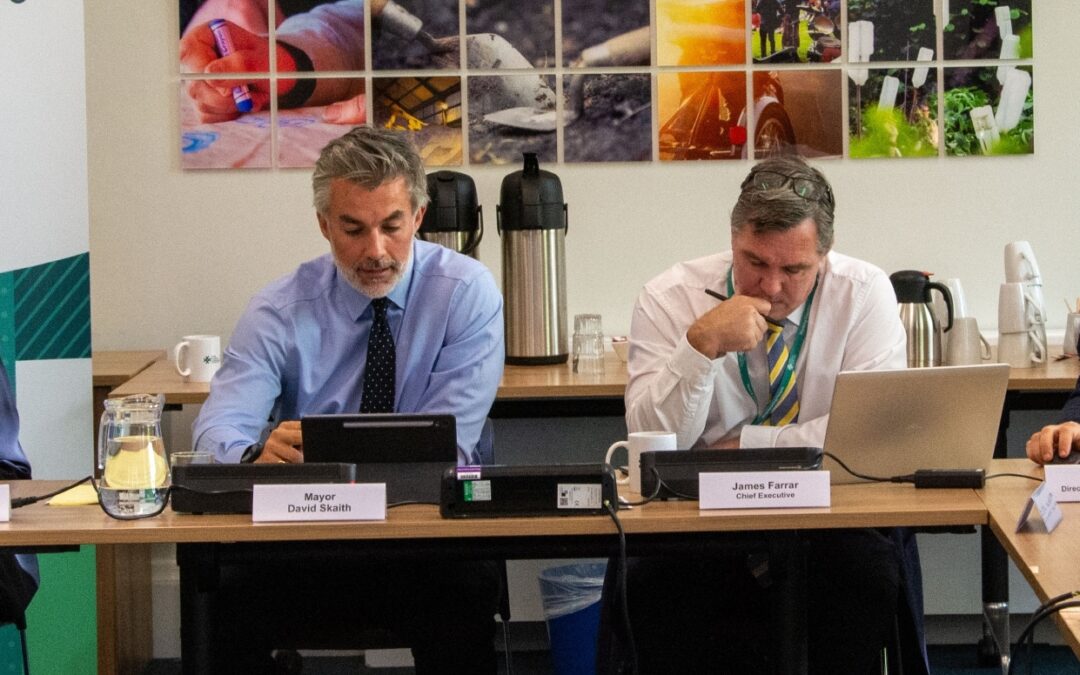
Mayor of York and North Yorkshire and Active Travel England Board Adviser David Skaith said:
"In too many rural areas, it’s just not safe enough to walk, wheel or cycle and that takes away from people's ability to make choices about how they get about.
“One size doesn’t fit all, so I welcome the recognition of the challenges in our rural areas and the extra tools we need to build safe routes that people want and deserve.
"Investing in safer, better-connected active travel will open up new opportunities, support healthier lives, and help our villages and market towns thrive."
Mayor of the West of England and Active Travel England Board Adviser Helen Godwin said:
“With continued support from Active Travel England and their new Rural Design Guide, we are committed to giving more people across the West of England access to safer, healthier, and more sustainable journey options.
"Our region will be investing a further £62 million in active travel improvements over the coming years, alongside our recent multi-million-pound investment in rural bus services to connect more communities."
Executive Director of National Parks England Debbie Stockwell, said:
"Our work with Active Travel England shows the benefits active travel networks in protected landscapes bring for health, wellbeing and communities. We want to set the standard for making active travel a natural choice, embedding alternatives to car use, whatever the journey. This guidance is an important step towards making active travel a realistic option for more people in rural areas."
New Forest National Park Authority Chair Victoria Mander said:
"The wildlife, beauty and tranquillity of the New Forest National Park can be best experienced by walking, cycling and wheeling. We welcome this new guide, which will help us and our partners design a network of safe, well-connected, nature-conscious routes enabling active travel for both local people and visitors throughout the National Park."