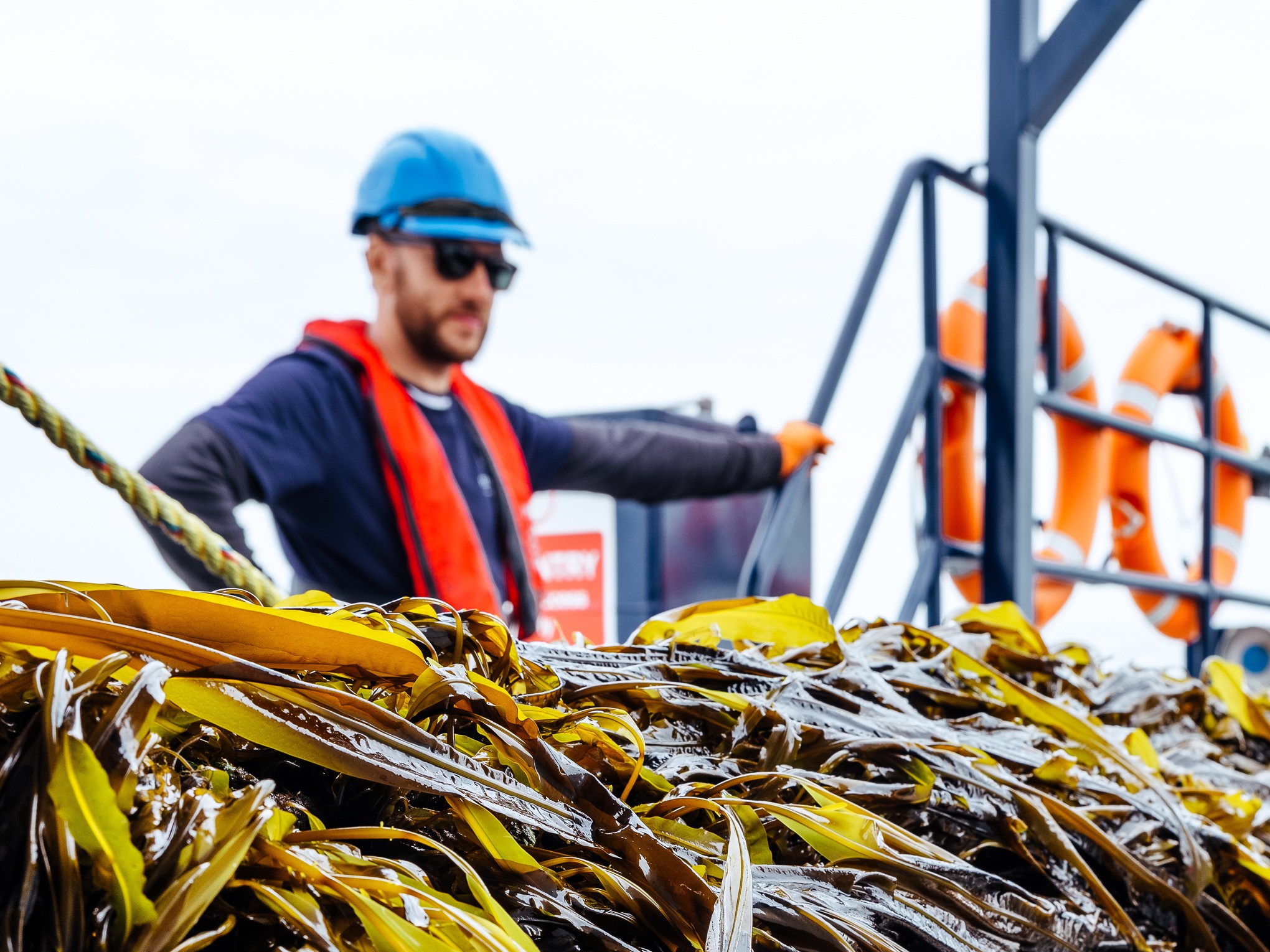
The Strategy sets our region’s ambition to lead on tackling climate change, creating a sustainable future to benefit communities and businesses. It’s our plan to achieve healthy and thriving communities, economic transformation, and to become England’s first carbon negative region by 2040.
Thank you to everyone who took part in our public consultation...
Our public consultation on the Strategy for a Sustainable Future ended on June 10th, 2026.
We will now be assessing your responses and developing the Strategy, with implementation scheduled to begin in the autumn.
A big thank you to everyone who responded, and to the organisations and individuals who helped make the consultation a success.
What is the Strategy for a Sustainable Future?
York & North Yorkshire’s Strategy for a Sustainable Future is a regional plan to support our communities and businesses, and tackle climate change.
The Strategy will support healthy & thriving communities, transform our economy, and help York and North Yorkshire lead the way to become England's first carbon negative region by 2040.
Why York and North Yorkshire?
As floods, droughts, storms, and wildfires intensify and the cost of living rises across the world and in our own region, now is the time for York and North Yorkshire to show true leadership in climate action.
We will help deliver this by focusing on the key areas of:
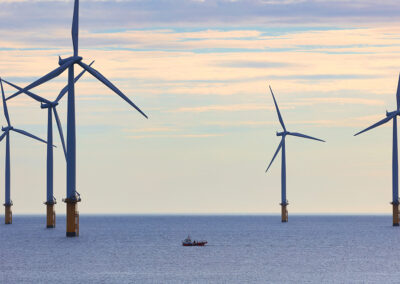
- Securing Energy Independence
- Moving Towards a Circular Economy
- Enhancing our Environment
What does this mean for communities?
- More affordable energy bills
- Warmer, more comfortable homes
- Cleaner air & better health
- Safer, more convenient and sustainable travel options
- New, high-quality jobs
- Opportunities to connect with others in your community and drive forward climate action projects together.
Overall, creating healthier, thriving communities and a more resilient economy.
How do we get there?
- Support communities in becoming more energy self-sufficient and generate local benefit through increasing community owned clean energy.
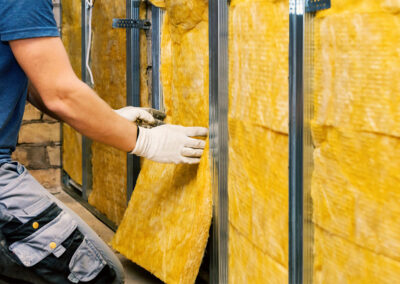
- Create more comfortable, affordably heated homes by supporting residents to upgrade homes and install sustainable heating systems.
- Create healthier and more connected communities through investing in sustainable, accessible transport for communities. For example, improving active travel routes.
- Strengthen local economies and supply chains through community and local business uptake of the circular economy. For example, reducing waste, and sharing resources.
- Shape greener and cleaner local landscapes and improve wellbeing through community biodiversity, nature, and food growing projects.
- Future-proof our communities against the impacts of climate change and extreme weather through supporting practical adaptation measures. For example, investing in natural flood defences.
Please see our infographic here.
What does this mean for businesses?
- Cheaper, more stable energy bills and reduced operating costs.
- Enhanced reputation and a competitive advantage.
- Opportunities for innovation & business growth.
- Improved productivity and easier logistics.
- Healthier and safer employees.
- Reduced risk of property damage and supply chain disruption through flooding or extreme weather.
- Investor confidence that your business is resilient against climate change impacts.
How do we get there?
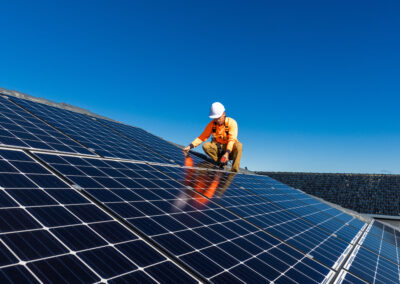
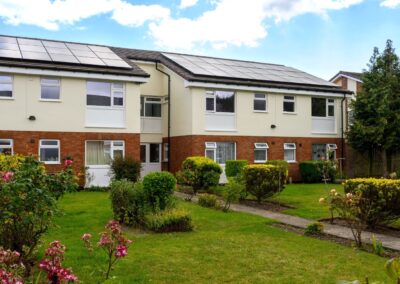
- Helping businesses access reliable, affordable, clean & locally owned energy. For example, installing more solar panels on business roofs.
- Upgrading business buildings to increase energy efficiency and improve heating and cooling.
- Help businesses improve their energy and resource efficiency, as well as enabling innovation, through supporting business uptake of circular economy practices.
- Increase business productivity and improve connectivity through enabling cleaner logistics and low carbon business travel. For example, using electric vans, and making it easier to commute sustainably .
- Support business resilience and security through climate adaptation measures and advice.
Please see our infographic here.
Key Documents
York & North Yorkshire Strategy for a Sustainable Future - Consultation Draft - Executive Summary
York & North Yorkshire Strategy for a Sustainable Future - Consultation Draft
Alternative formats are available, including printed material. Please contact energy@yorknorthyork-ca.gov.uk or call us on 0800 246 5045